
How Can You Create Dependable Retirement Income You Won’t Outlive?

For most of your working life, retirement planning is largely about accumulating money. You earn a paycheck, save part of it, and build resources for the future.
Retirement changes the job.
Once the paycheck stops, the question becomes: How will you turn the resources you’ve accumulated into income you can depend on throughout retirement?
For many people, the answer involves several sources working together—such as Social Security, a pension if one is available, retirement savings, and potentially an annuity designed to provide income.
The goal is not necessarily to make every dollar of retirement income guaranteed. It is to understand which expenses need to be covered, which income sources you can count on, where a potential income gap exists, and how your available resources might work together to help support you for a retirement that could last many years.
Start With the Income You’ll Need
Before deciding where retirement income should come from, it helps to understand what that income needs to accomplish.
Think about the expenses that are likely to continue after your paycheck ends:
- Housing
- Food and household expenses
- Utilities
- Transportation
- Healthcare and insurance
- Taxes
- Travel and recreation
- Home maintenance
- Debt payments
- Family support
- Other regular and discretionary spending
Some expenses may decrease when you retire. Others may increase.
You may no longer commute to work, for example, but you may spend more on travel or activities. Healthcare may become a larger part of your budget. Home repairs and other larger expenses will still happen.
The objective is not to find one universally correct combination. It is to understand how your expected expenses, available resources, desired level of income dependability, need for access to money, and the possibility of a long retirement affect the income options you may want to consider.
Once you have that number, you can begin comparing it with the income you expect to receive.
Identify the Income You Can Already Count On
The next step is to identify your expected sources of retirement income.
Depending on your circumstances, these might include:
- Social Security
- Employer pension benefits
- Retirement-account withdrawals
- Personal savings
- Other assets or income sources
- Annuity income
- These sources do not all work the same way.
A pension may provide scheduled payments according to the terms of the pension plan. Social Security provides monthly retirement benefits, with the amount affected in part by when benefits begin. Savings and retirement accounts can provide additional income, but withdrawals reduce the assets remaining for future needs.
Certain annuity contracts can also be structured to provide an income stream, including options that may provide income for life, subject to the contract's terms and the claims-paying ability of the issuing insurance company.
Understanding those differences is an important part of building a retirement-income strategy.

What Is a Retirement Income Gap?
Once you know approximately what you expect to spend and what dependable income you expect to receive, you can begin identifying a potential income gap.
Consider a simple hypothetical example.
Suppose a household expects to need approximately $7,000 per month to support its retirement lifestyle.
Social Security and pension income together are expected to provide $4,500 per month.
That leaves a $2,500 monthly difference.
That difference is the income gap that other resources may need to help cover.
The numbers will be different for every household, but the exercise is useful because it changes the conversation from:
“How much have we saved?”
to:
“How much income do our savings need to help provide?”
Those are related questions, but they are not the same question.
Social Security Is One Part of the Income Picture
For many retirees, Social Security provides an important foundation of monthly income.
When you begin benefits affects the amount you receive. Under current Social Security rules, retirement benefits can generally begin as early as age 62. Claiming before full retirement age reduces the monthly benefit, while delaying beyond full retirement age can increase the monthly amount until age 70. Full retirement age depends on your year of birth. Social Security Administration.
There is no single claiming age that is appropriate for everyone. The Social Security Administration itself notes that the decision should be based on a person's circumstances. Social Security Administration.
From a retirement-income perspective, that means Social Security should not be considered in isolation.
The timing of your benefits can affect how much income needs to come from other resources during different stages of retirement. Someone who delays Social Security, for example, may need another way to support spending during the intervening years.
Summerlin Benefits Consulting does not determine Social Security eligibility or administer Social Security benefits. Current benefit rules and individual benefit estimates should be verified directly with the Social Security Administration.
A Pension Can Add Another Source of Regular Income
Some retirees also have access to an employer pension.
The IRS generally describes a pension as a series of determinable payments made after retirement, typically based on factors such as years of service and prior compensation. IRS.
If you have a pension, understanding its available payment options can be important.
Depending on the plan, decisions may affect the amount of income received and whether benefits continue for a surviving spouse. Those provisions are specific to the pension plan, so they should be reviewed using the actual plan documents rather than general assumptions.
A pension combined with Social Security may cover a meaningful portion of essential expenses for some households.
For others, a substantial income gap may remain.
That is where accumulated retirement resources become especially important.
Ready to Talk About Your Retirement?
No pressure. No obligation. Just a conversation about your goals and concerns.
Savings Need to Do a Different Job in Retirement
While you're working, retirement accounts are generally being built for the future.
In retirement, those assets may need to help fund the present.
That transition from accumulation to distribution deserves careful attention.
Money held in 401(k)s, IRAs and other accounts can provide considerable flexibility. You decide when and how much to withdraw, subject to applicable account and tax rules.
That flexibility also gives you several decisions to think through.
- How much will you need to withdraw?
- How long might those withdrawals need to continue?
- How will market changes affect the amount available?
- How much flexibility would you like for expenses that may change over time?
- How will inflation affect your future spending?
- And how much of your retirement income would you prefer to come from sources designed to provide greater predictability?
These questions help explain why retirement-income planning is different from simply reaching a savings goal.
Longevity Changes the Retirement-Income Question
One of the challenges of retirement is that no one knows exactly how long it will last.
Social Security specifically encourages people planning for retirement to consider longevity, noting that some people will live substantially longer than an average life expectancy. Social Security Administration.
That uncertainty matters because retirement income may need to continue for decades.
Living longer is something to plan for, not something to fear.
It means a retirement-income strategy should consider not only the income needed during the first few years of retirement but also how income needs might be met much later.
Inflation can change expenses. Healthcare needs may change. A spouse may live considerably longer than the other. And money that initially seemed sufficient may be asked to support a longer retirement than anticipated.
This is where the distinction between assets and income becomes especially useful.
An account balance tells you what you own today.
A retirement-income strategy asks how those resources can help support you over time.
Where Can Annuities Fit?
Annuities are insurance products, and one of the roles certain annuities can serve is providing retirement income.
Depending on the type of annuity and the contract selected, income options can differ. Some arrangements provide payments for a specified period, while certain annuity options can provide income for life. IRS.
That can make an annuity worth considering when someone wants a portion of retirement income designed to continue regardless of how long they live.
But that does not mean an annuity should provide all retirement income—or that an annuity is appropriate for everyone.
Annuities involve contractual commitments and considerations that may include surrender periods, limits on liquidity, withdrawal provisions, charges or rider costs, and different income-election options. Guarantees depend on the terms of the contract and the claims-paying ability of the issuing insurer.
The appropriate question is therefore not simply:
“Should I buy an annuity?”
A more useful question is:
“Would creating a dependable source of income for part of my retirement needs help make my overall income strategy more comfortable and sustainable?”
That keeps the focus where it belongs: on the retirement-income need first, and the potential solution second.

How Might the Different Income Sources Work Together?
A retirement-income strategy can be thought of in layers.
You may begin with the income you expect from Social Security.
Add any pension income available to you.
Then compare those sources with the expenses you expect your retirement lifestyle to require.
If there is a gap, you can evaluate how savings, retirement accounts, annuities, and other available resources might help address it.
For example, one household might be comfortable using Social Security and pension income for part of its expenses while taking flexible withdrawals from retirement savings for the remainder.
Another household may place greater value on having more of its regular expenses supported by predictable income and consider whether an annuity fits that objective.
Neither example creates a universal formula.
The important point is that each income source has a job.
When you understand what each source is designed to accomplish, it becomes easier to see how the pieces may work together.
Dependable Does Not Have to Mean Inflexible
Creating dependable retirement income does not necessarily mean locking every retirement dollar into a fixed payment.
Flexibility can matter too.
You may want accessible money for:
- Unexpected expenses
- Home repairs
- Travel
- Family needs
- Healthcare expenses
- Larger purchases
- Changing goals
That is why retirement-income decisions often involve balancing dependability and access.
Income sources designed to provide predictable payments can help support recurring needs. Liquid savings and other resources can provide flexibility when life does not follow the monthly budget.
Understanding what you receive in exchange for each commitment—including any restrictions on access to money—is an important part of evaluating an income strategy.
Taxes Can Affect the Income You Actually Have Available
Another important distinction is between gross retirement income and the amount ultimately available to spend.
Different retirement-income sources may receive different tax treatment.
The IRS notes, for example, that pension and annuity payments may be fully or partly taxable depending on factors including the source of the money and the individual's cost in the contract. Tax treatment also varies among qualified retirement accounts, nonqualified annuities and other sources of income. IRS.
That means a retirement-income strategy should not look only at how much income appears on paper.
It should also recognize that taxes can affect what remains available for your lifestyle.
Summerlin Benefits Consulting does not provide tax advice. Tax consequences depend on individual circumstances, and questions about your personal tax situation should be discussed with a qualified tax professional.
What Should You Be Comfortable With Before You Retire?
You do not need to know exactly what every year of retirement will look like.
You should, however, have a clearer understanding of a few important questions:
- Approximately how much income will your desired retirement lifestyle require?
- Which expenses are essential and which are more flexible?
- How much income do you expect from Social Security?
- Do you have a pension, and what income options does it provide?
- How much of your spending will need to come from savings or retirement accounts?
- Is there a meaningful gap between expected income and expected expenses?
- How much income would you like to be predictable?
- How much money would you like to keep readily accessible?
- How could a longer retirement affect the strategy?
- Are you comfortable with the commitments and limitations that come with each income source?
You do not need one product to answer all of those questions.
You need to understand how the different pieces fit together.
Creating Income Is Different From Saving for Retirement
Saving for retirement is about building resources.
Creating retirement income is about deciding how those resources can support your life once regular employment income ends.
That shift is one of the most important transitions in preparing for retirement.
Social Security may provide part of the foundation. A pension may add another layer. Savings and retirement accounts may provide flexibility and additional income. For some people, an annuity may provide another source of dependable income designed around specific retirement needs.
The objective is not to find one universally correct combination.
It is to create an income approach that reflects your expected expenses, available resources, desired level of income dependability, need for access to money, and the possibility of a long retirement.
Summerlin Benefits Consulting helps people approaching retirement understand their retirement-income options and evaluate how annuities may fit their income, protection, access, and retirement goals.
If you're preparing for retirement and want to better understand how your available income sources could work together, the next step is to review your individual circumstances and the options available to you.
Request Your Complimentary Retirement Review
FAQs
What is a retirement income gap?
A retirement income gap is the shortfall between your expected retirement expenses and the dependable income you expect to receive, such as Social Security and pension payments. Identifying that gap helps you understand how much additional income your savings, retirement accounts, or other resources may need to provide.
When should I start Social Security?
The right time depends on your income needs, other available resources, health, and expected length of retirement. Retirement benefits can generally begin at age 62. Starting before full retirement age reduces your monthly benefit, while delaying beyond full retirement age increases it up to age 70. Compare your benefit estimates directly with the Social Security Administration as you consider how the timing fits your retirement income needs.
Can an annuity provide income for life?
Yes—certain annuity contracts offer lifetime income options, subject to the contract’s terms and the issuing insurance company’s claims-paying ability. An annuity may help cover part of your ongoing retirement expenses. When evaluating that role, consider its income options, surrender periods, withdrawal restrictions, and any applicable fees alongside your need for accessible savings.
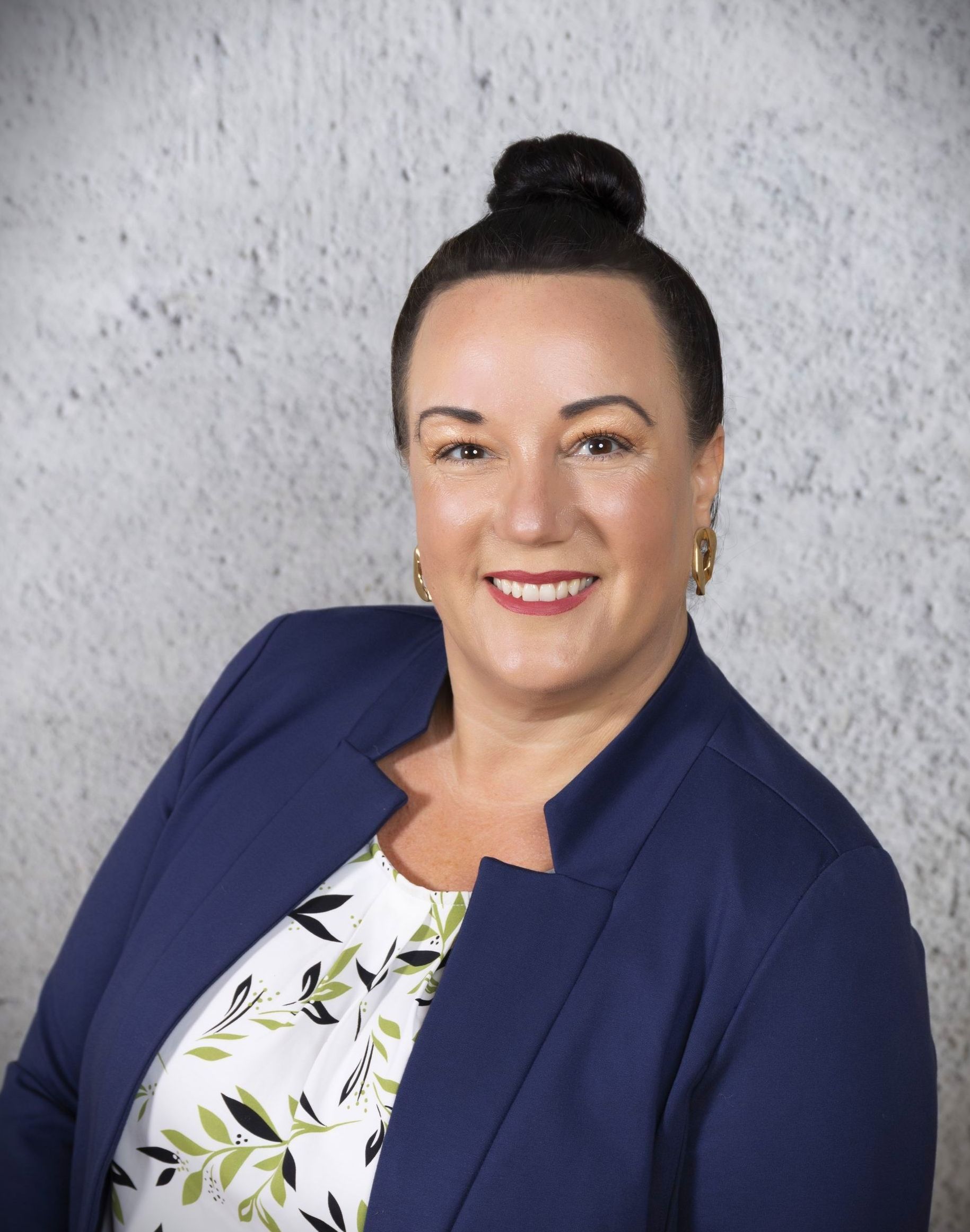
Meet Stacy Summerlin
29+ Years of Experience | Licensed in Florida & Georgia | Founder & President
For more than 29 years, Stacy Summerlin has helped individuals and families prepare for their financial needs with clarity, confidence, and peace of mind. As Founder and President of Summerlin Benefits Consulting, she specializes in helping pre-retirees and retirees protect what they've worked hard to build through education, personalized, safety-first approach to retirement.
Whether you're preparing to retire or already enjoying retirement, Stacy is committed to helping you understand your options and move forward with confidence.